Only Have a Photo? How a Print Gets Made Without a File
No 3D file, just a photo? How a part is modelled from photos and measurements, which objects work, which don't, and what you send to get a firm price.
The short answer
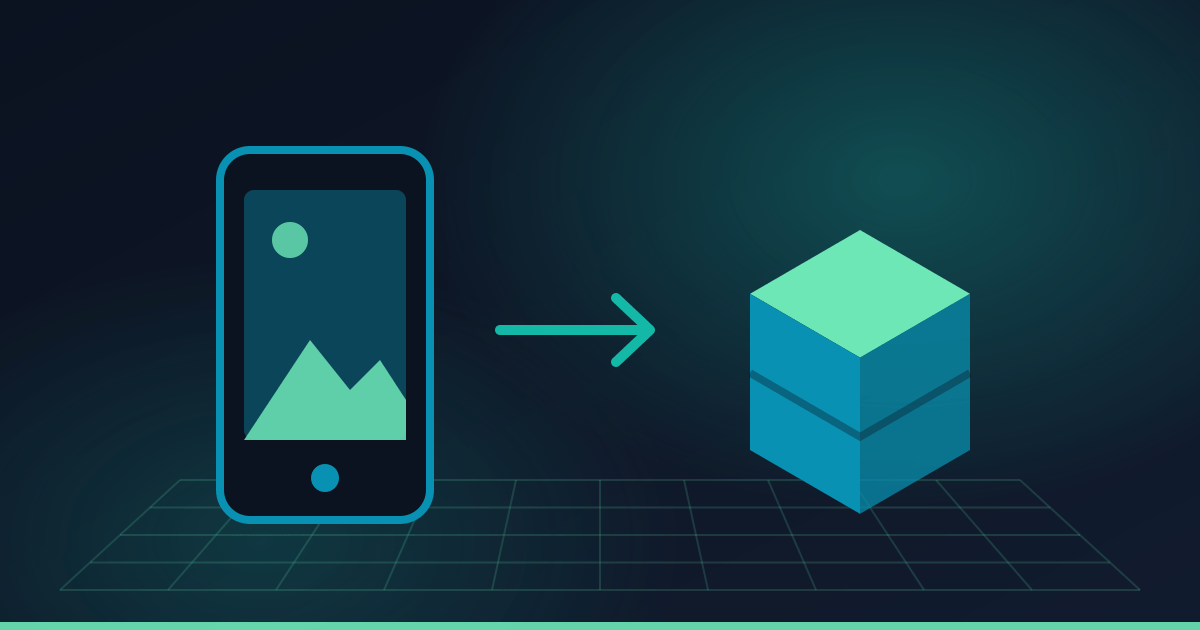
A photo alone cannot be printed, because a printer needs a 3D file. But a photo plus a few measurements is enough for most parts to be modelled by hand: send them through 3DprintLB's custom page, get a free WhatsApp consultation within 24 hours, approve a design preview, and the part is printed and delivered with cash on delivery.
Most of what people want printed never existed as a file. It is a broken knob, a bracket that was never sold here, a shape in someone's head or a picture saved on a phone. That is normal, and it is what the custom projects route is for.
Why a photo is not enough on its own
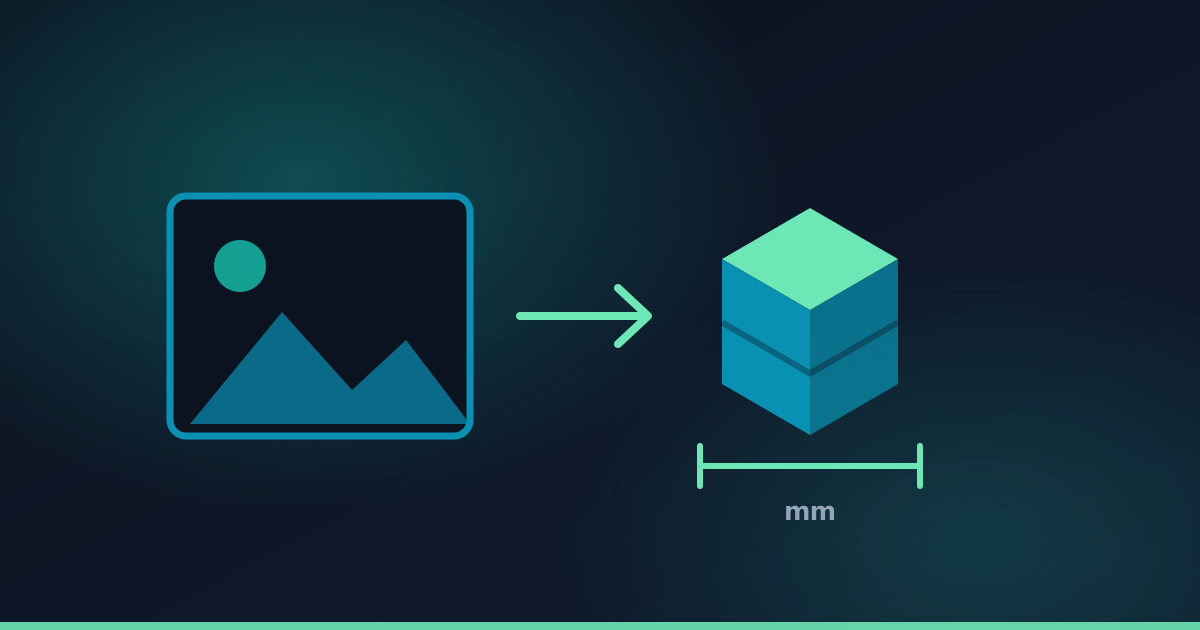
A printer works from a 3D model with exact dimensions. A photo is flat: it shows one side, at an unknown size, with the back hidden. Someone has to turn it into a solid model, and to do that they need three things the photo cannot give: the real size, the faces you cannot see, and how the part fits with whatever it touches.
So the honest answer to "can you print this photo" is: we can model it from the photo, and a few measurements are what make the model right.
How it works, step by step
- Fill in the form on the custom page. Describe the part, what it does and where it goes, and attach up to four photos (JPG, PNG or WebP, up to 10 MB each). No account needed.
- Within 24 hours we message you on WhatsApp to talk through details, what is feasible, and options such as material and colour. The consultation is free and carries no obligation.
- You get one firm price that covers design, printing and delivery. Nothing starts until you approve it.
- We model the part and send you a design preview to approve.
- It is printed, checked, and a courier brings it anywhere in Lebanon. You pay in cash on delivery.
What to send
- Photos taken straight on, one for each side, with a ruler or tape measure in the frame.
- A photo of where the part goes, or of the object it belongs to.
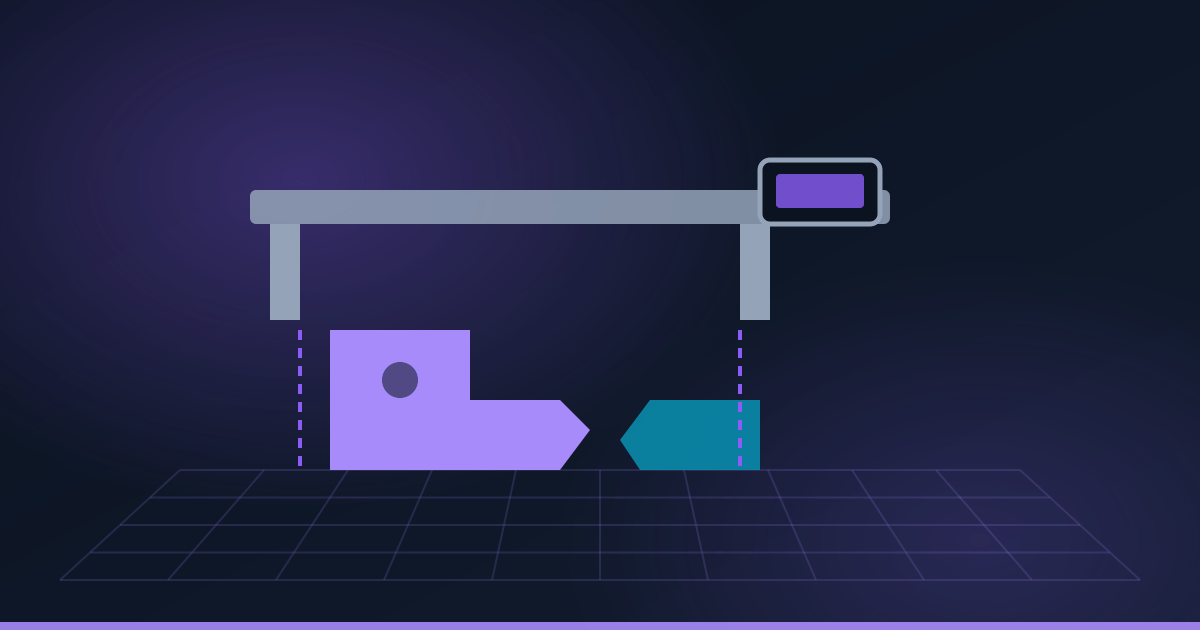
- The key measurements, especially anything it slots onto, clips into or screws to. How to measure a broken part has the checklist.
- For a new idea, a sketch with rough sizes is often more useful than a photo of something similar.
- What it needs to survive: sun, water, weight, bending.
What works well from photos
Shapes made of flat faces, round holes and simple curves: knobs, clips, brackets, spacers, caps, covers, hooks, holders, adapters and enclosures. These are redrawn as clean CAD models, which also means they can be adjusted later if the fit is off. Simple parts are modelled at no extra charge; involved design work is quoted as a project before any work begins.
Lettering and logos also work well, provided you own the logo or have the right to use it. A clean image of the artwork, or the vector file, is better than a photo of a printed sign.
What is hard from a photo
- Organic shapes such as faces, figurines, animals and sculpture. The surfaces are too complex to redraw by hand from a picture; these usually need 3D scanning or a sculptor. See when you actually need 3D scanning.
- Parts with hidden internal detail that a photo cannot show, unless the part can be opened or measured inside.
- Exact copies of branded products. We can make a part that does the job; copying someone else's design or trademark is a different matter.
What about automatic photo-to-3D tools?
Apps that turn one or a few photos into a 3D mesh exist and are improving. They guess the hidden side and produce soft, approximate surfaces. That can be fine for a decorative figure where nothing has to fit. For a part that must slide onto a shaft or click into a slot, a guessed mesh is the wrong starting point, and redrawing from measurements is faster than repairing it.
How long it takes
The modelling step adds time before printing, and how much depends on the part and on how quickly the details are settled over WhatsApp. Once the design is approved, printing and delivery follow the usual pattern described in how long a 3D print takes. If you have a date to meet, say it in your first message.
For examples of what the custom route has been used for, see custom 3D printing in Lebanon.
Frequently asked questions
Can I 3D print something from a picture?
Not directly, because a printer needs a 3D model. But a part can be modelled from photos plus a few measurements. Send them through the custom page on 3dprintlb.com and you get a firm price after a free consultation.
Do I need an STL file to get something 3D printed in Lebanon?
No. If you have no file, describe the part and attach photos or a sketch on the custom page. It is modelled for you, and you approve a design preview before printing.
How much does it cost to design a part from a photo?
Simple parts such as brackets, knobs and spacers are modelled at no extra charge as part of the print. Involved design work is quoted as a project, and you get one firm price before anything starts.
Can you print a figurine or a face from a photo?
Organic shapes like faces and figurines cannot be redrawn accurately by hand from a photo. They usually need 3D scanning or a sculpted model. Mechanical parts and lettering work far better from photos.
What photos should I send for a custom 3D print?
Straight-on photos of each side with a ruler in frame, a photo of where the part goes, and close-ups of any holes, clips or breaks. Add the key measurements of whatever it fits onto.
Got a file to print?
Instant price, delivered anywhere in Lebanon for a flat $5.