3D Scanning in Lebanon: When You Actually Need It
Most people asking for a scan need a measured redraw instead — which is faster, cheaper and produces a better part. Here is how to tell.
The short answer
Scanning is worth it for organic shapes — sculpture, faces, anatomical forms, worn castings. For mechanical parts with flat faces, holes and threads, a measured redraw from photographs and callipers is faster, cheaper and gives a cleaner, editable model. We redraw rather than scan.
3D scanning has an outsized reputation. People assume it is how you copy an object, and for a certain class of object it genuinely is. For the parts most people actually want copied in Lebanon, it is the slower and worse route — so it is worth understanding which side of the line your object falls on.
What a scan actually gives you
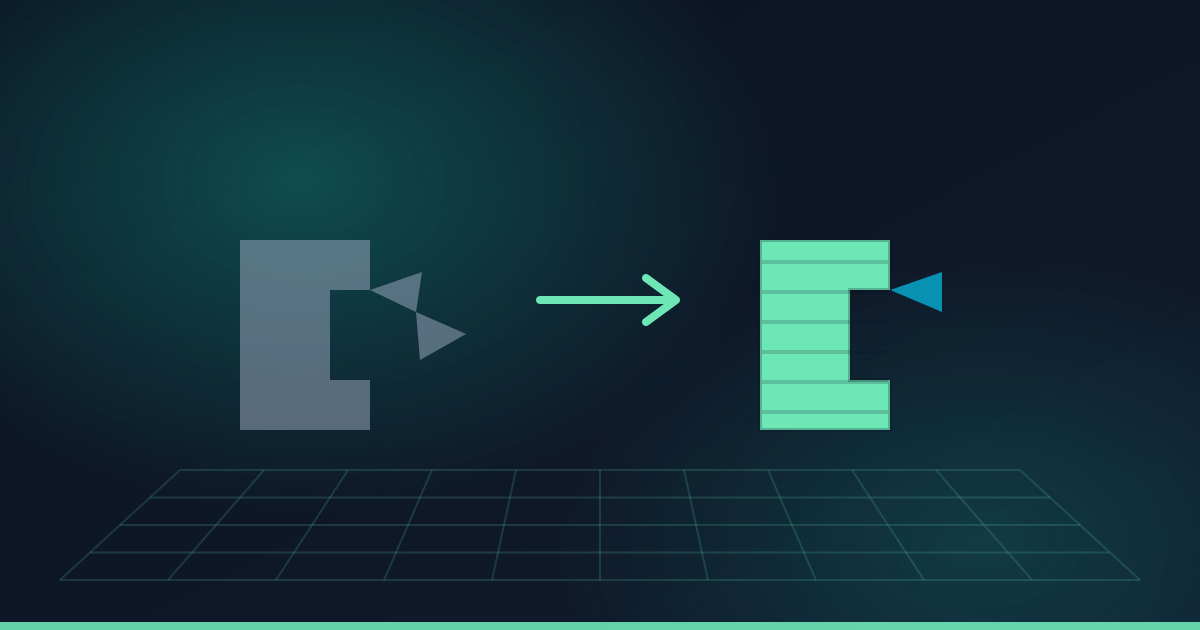
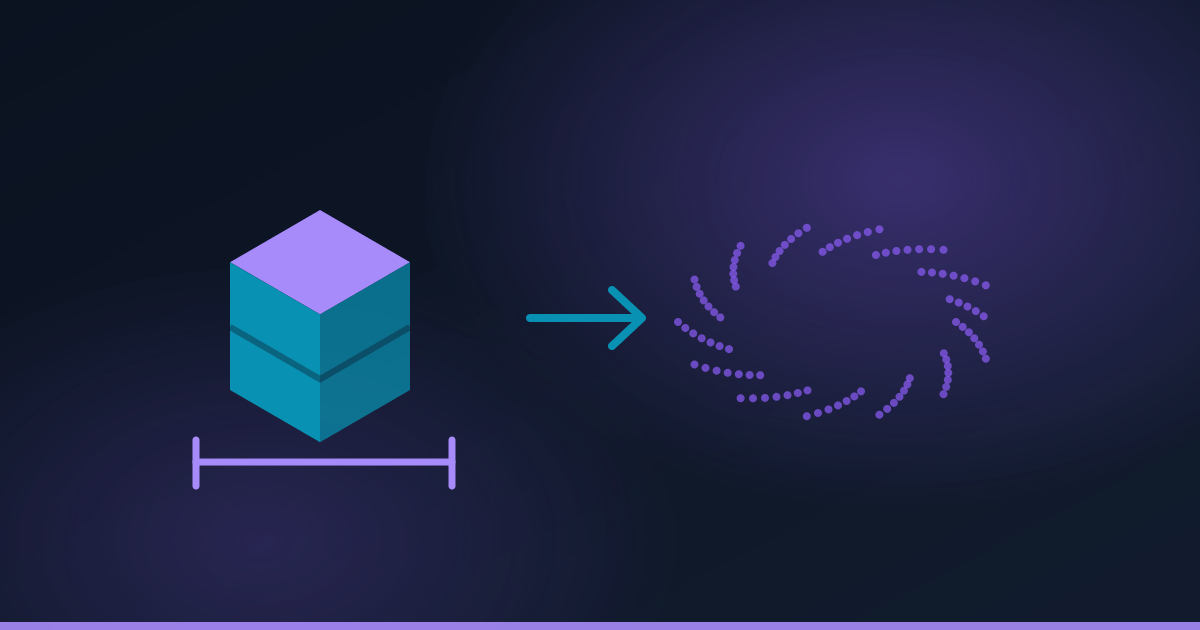
A scanner returns a dense mesh of triangles approximating a surface. That mesh has no idea a hole is a hole or a flat face is flat — it is a shell of measurements. It captures a worn, chipped, slightly warped object faithfully, including the wear, the chips and the warp.
Why that is wrong for a mechanical part
- A scanned hole comes back slightly oval and slightly the wrong size, so it will not fit the bolt
- Flat faces come back subtly wavy, so the part rocks
- Threads never survive scanning usefully
- The mesh is difficult to edit, so you cannot fix the dimension you needed to change
- You have faithfully reproduced the broken original, including why it broke
The redraw alternative
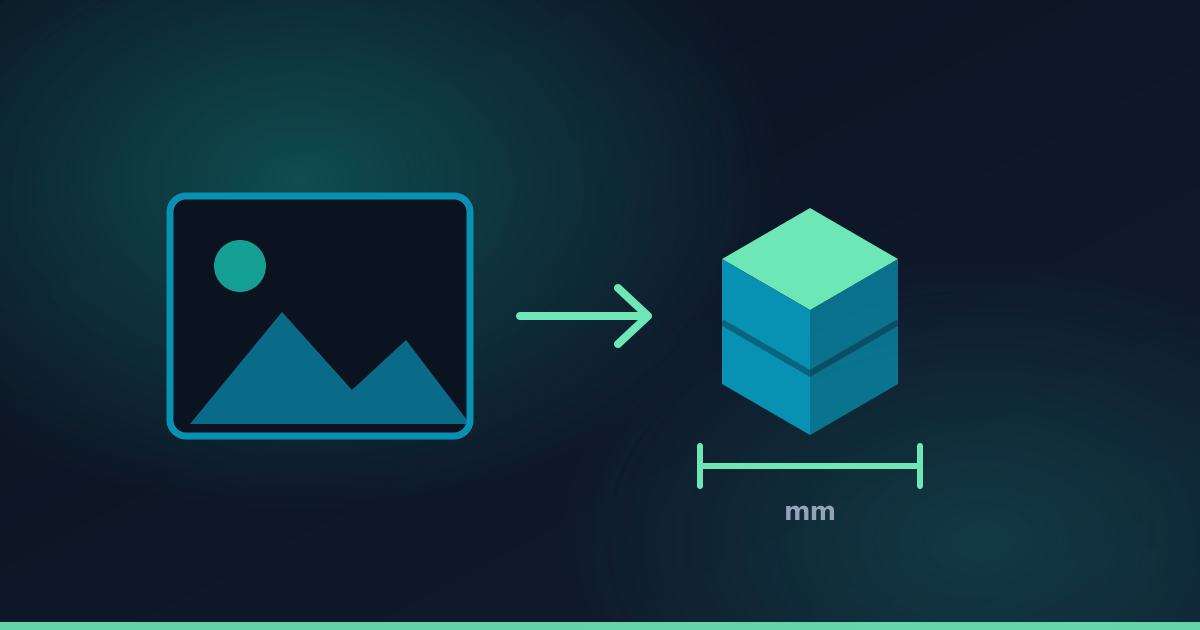
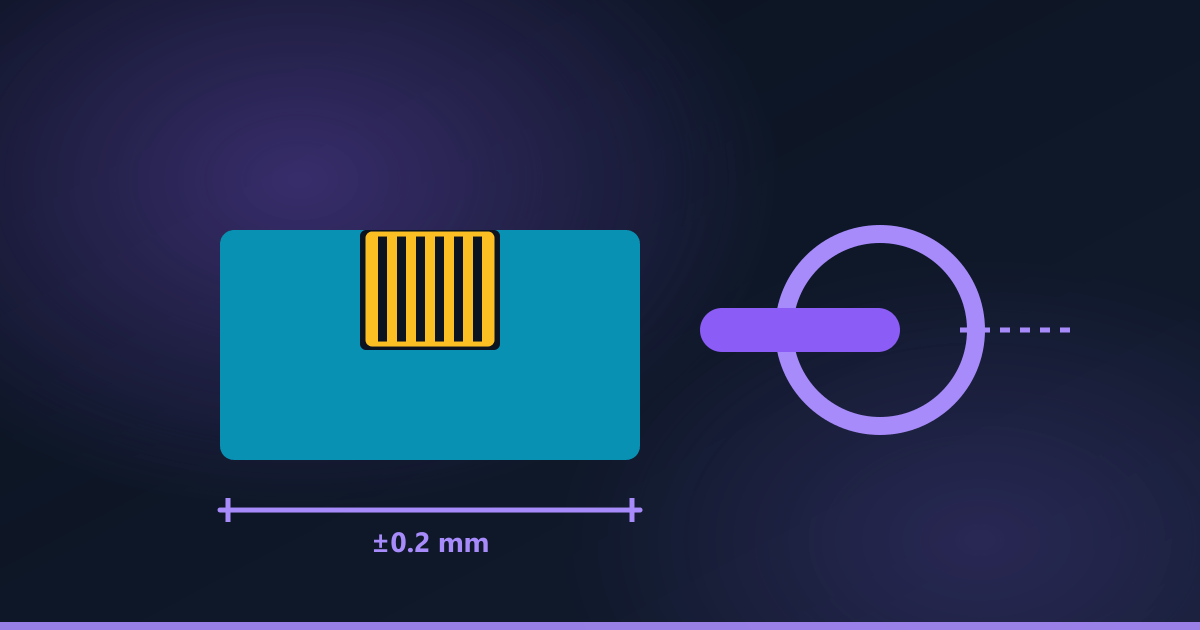
For a bracket, clip, knob or housing, three photographs and a handful of calliper measurements produce a clean parametric model in less time than setting up a scan. Holes are exactly round and exactly on centre, faces are truly flat, and the part can be made 2 mm wider next week because it is real geometry rather than a mesh.
When scanning is genuinely the right call
| Object | Why scanning wins |
|---|---|
| Sculpture, busts, art pieces | No dimensions to measure, form is everything |
| A face, hand or body part | Organic geometry no calliper can describe |
| Worn tooling or a hand-shaped mould | The exact worn surface is the thing you need |
| Heritage and archaeological pieces | Documentation, and you cannot touch the original |
| A complex curved car panel | Freeform surface with no defining dimensions |
What to do if you need a scan
We do not scan, and we would rather say so than take the job and subcontract it invisibly. Scanning services do exist in Beirut, largely serving surveying and heritage work. Send us what you have and we will tell you honestly which route your object needs — often the answer is that callipers and twenty minutes will do it.
Frequently asked questions
Do you offer 3D scanning in Lebanon?
No. For mechanical parts we redraw from photographs and measurements, which is faster and produces a better model. For genuinely organic objects we will point you to a scanning service rather than pretend otherwise.
Can you copy a broken part without scanning it?
Yes, and this is the normal route. Photographs with something for scale plus the critical dimensions are enough for almost any bracket, clip, knob or housing.
How accurate is a redrawn part compared to a scan?
More accurate where it counts. Measured features are exact by construction, while a scan carries the original object's wear and the scanner's own error into every dimension.
What about scanning with a phone app?
Phone photogrammetry is fine for capturing rough shape and proportion, and genuinely useful for organic objects. It is not accurate enough for anything that has to fit something else.
Got a file to print?
Instant price, delivered anywhere in Lebanon for a flat $5.