Small Batches in Lebanon: Printing vs Moulding
Where 3D printing stops being the cheap option and a mould starts paying for itself — with the crossover worked out in dollars.
The short answer
3D printing wins below roughly 500 units because it has no tooling cost. An injection mould landed in Lebanon runs $2,000 to $8,000 before a single part exists, but then produces parts for cents. Under 100 units, printing is almost always right; over 2,000, a mould almost always is.
This is the question every hardware startup and small manufacturer in Lebanon eventually asks, and it has an unusually clean answer, because the two processes have completely different cost shapes.
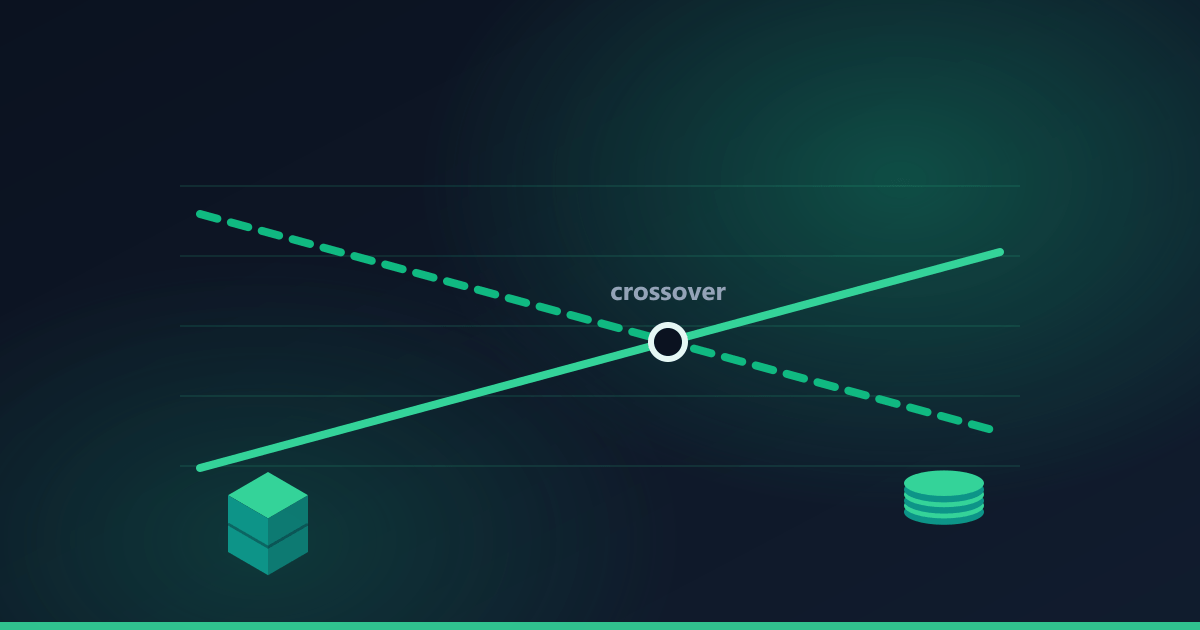
The two cost curves
Printing has effectively no setup cost and a flat per-part price — the thousandth part costs about what the first did. Moulding is the opposite: an enormous fixed cost for the tool, then a per-part cost so low it barely registers. One line starts at zero and climbs steadily; the other starts high and runs almost flat.
| Quantity | 3D printing | Injection moulding | Sensible choice |
|---|---|---|---|
| 1 to 10 | $8 to $25 each | Tooling alone exceeds the whole budget | Printing, obviously |
| 50 | About $6 to $12 each | Still all tooling | Printing |
| 500 | About $4 to $8 each | Roughly break-even | Either — decide on lead time |
| 5,000 | Unchanged per part | Cents per part | Moulding, clearly |
Why the crossover sits where it does
A mould for a simple part, made in Turkey or China and shipped to Lebanon, is $2,000 to $8,000 and six to twelve weeks. Spread across 500 parts that is $4 to $16 each before any plastic is melted. Spread across 5,000 it is cents. The tool does not care how many parts you make — you do.
The Lebanese specifics that move the line
- Tooling is imported, so add freight, customs and a currency risk you carry for three months
- A design change after the tool is cut means a new tool; printing absorbs revisions for free
- Import lead times mean a mould ordered today produces parts in the autumn
- Holding 5,000 injected parts is capital sitting on a shelf; printing lets you hold none
What printed batches actually cost here
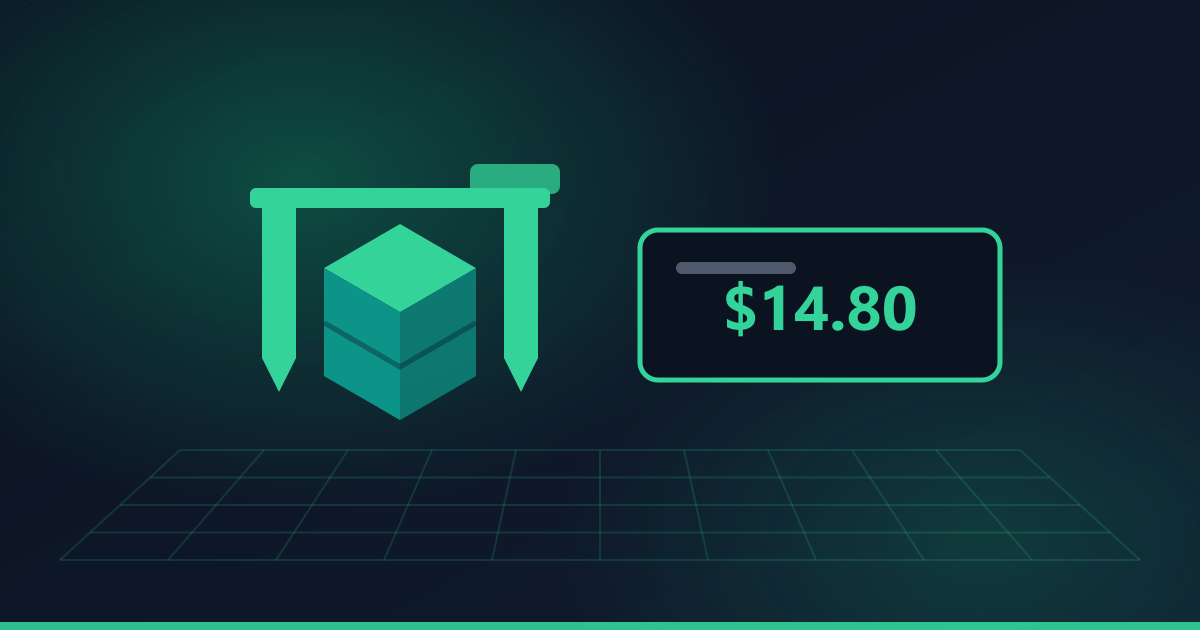
Quantity discounts start at five identical parts and take 5% off, ten takes 10%, and twenty-five or more takes 20%. Delivery is $5 per order regardless of size, so a batch carries the same delivery cost as a single part. For a small palm-sized component, fifty pieces typically lands between $300 and $600 delivered.
The strategy that usually wins
Print the first few hundred while the design is still moving and demand is still a guess. Use that run to find the flaws a prototype never surfaces. Commission the mould only once the design has stopped changing and the orders justify it — by which point you are buying a tool for a product you know sells, rather than betting on one.
Frequently asked questions
At what quantity does injection moulding beat 3D printing?
Around 500 units for a simple part, though the honest range is 300 to 2,000 depending on part size and tool complexity. Below 100 printing is clearly right; above 2,000 moulding clearly is.
How much does an injection mould cost for Lebanon?
$2,000 to $8,000 for a simple single-cavity tool made abroad and shipped in, plus six to twelve weeks. Complex or multi-cavity tools go considerably higher.
Can you print 100 identical parts?
Yes. Batches of that size are routine and take 20% off the per-part price. Lead time extends with quantity, so tell us the deadline when you ask for the quote.
Is a printed part as good as an injection moulded one?
Not identical. Moulded parts have better surface finish and are equally strong in every direction; printed parts are weaker along the layer lines. For most functional components the difference does not matter, and orientation is chosen to put strength where the load is.
Got a file to print?
Instant price, delivered anywhere in Lebanon for a flat $5.