Prototyping in Lebanon Without a Factory
How a small team here can hold a physical version of an idea within days, for the price of a dinner, and iterate weekly instead of quarterly.
The short answer
A functional prototype of a hand-sized product costs roughly $15 to $30 delivered in Lebanon and arrives in 3 to 5 days, which makes weekly design iterations realistic. Print in PLA for shape and fit, in PETG once the part must work, and expect three or four rounds before a design settles — budgeting for the rounds rather than for one perfect print is what makes the process cheap.
The distance between an idea and a physical object used to require a factory, a minimum order and a container. For a plastic part the size of your hand, it now requires a file and about twenty dollars.
Iterate, do not perfect
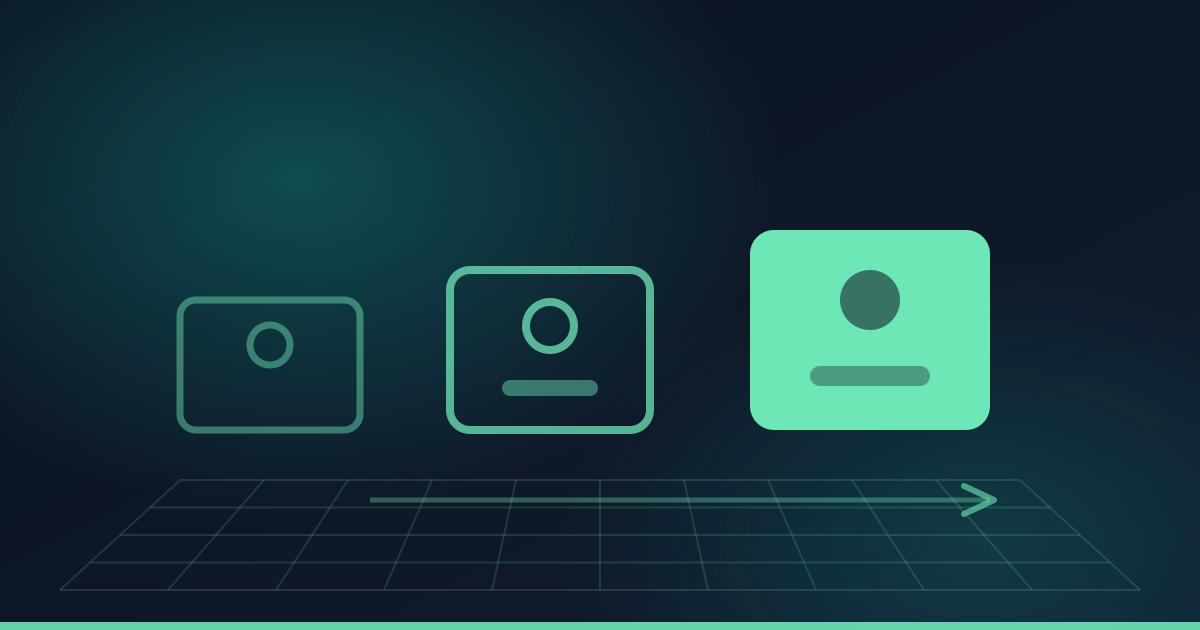
The single most common mistake is treating the first print as the deliverable. It is not — it is the first question you get to ask reality. Almost every design has three or four rounds in it, and each round teaches something no amount of on-screen modelling would have.
| Round | Question it answers | Print it in |
|---|---|---|
| 1 — shape | Does it feel right in the hand? Is the scale correct? | PLA, 15% infill, draft |
| 2 — fit | Do the components sit inside it? Do the parts assemble? | PLA, standard |
| 3 — function | Does it survive being used and dropped? | PETG, 50% infill |
| 4 — presentation | Does it look like a product to someone else? | PLA, fine layers, finished |
Four rounds of a hand-sized part is roughly $60 to $100 in total, spread over a month. That is a genuinely small budget for arriving at a design that works.
What prototypes are good for here
- Enclosures for electronics — the most common request, and the one printing suits best.
- Ergonomics: a shape you have to hold to judge, which a screen cannot tell you.
- Fit checks against parts you already have — a bracket around an existing motor, a case around a bought board.
- Investor and customer conversations. A physical object changes a meeting in a way a render does not.
- Jigs and fixtures for your own assembly work, which is unglamorous and often the highest-value thing printed in a small workshop.
Practical advice for a Lebanese team
Print in one colour and one material until it works
Multi-colour and material variety are presentation decisions. During iteration they add cost and tell you nothing about whether the design is right.
Batch the round
Print all the variants of a round at once rather than one at a time. The order fee and delivery are charged once per order, so three variants together cost far less than three separate orders — and comparing them side by side is more informative than comparing one against a memory.
Know where printing stops
Printing gets you a working design. Once you need hundreds of identical units, injection moulding is cheaper per part, and the printed prototype is what you hand the mould maker. Nobody should be printing their thousandth unit.
Frequently asked questions
How much does a prototype cost in Lebanon?
A hand-sized functional prototype is typically $15 to $30 delivered, including the flat delivery fee. Budget for three or four rounds — around $60 to $100 total to arrive at a design that works.
How fast can I iterate?
Realistically, weekly. Printing plus delivery is 3 to 5 days, so a design change on Monday is in your hand the following week — quick enough that the momentum of a project survives.
Which material should a prototype use?
PLA for early rounds about shape and fit, since it is cheapest and prints most crisply. Switch to PETG once the part has to actually work, particularly if it will be handled or left in a car.
Can you sign an NDA?
Yes, ask before uploading. Files are handled privately by default and are not published or shown as examples without permission.
When should we stop printing and start moulding?
Somewhere in the low hundreds of identical units. Printing has almost no economy of scale, while moulding has a high setup cost and then costs very little per part.
Got a file to print?
Instant price, delivered anywhere in Lebanon for a flat $5.