Printing Bigger Than the Build Plate
The single-piece limit is 250 mm. Here is how larger objects get split, printed in sections and bonded — and what that costs.
The short answer
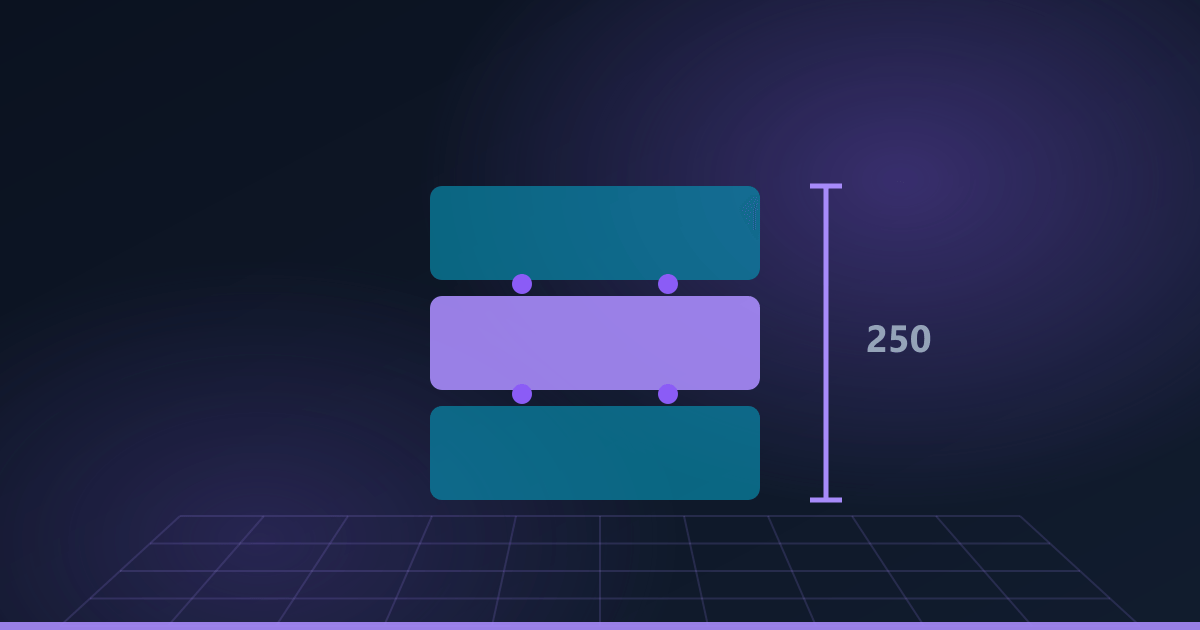
A single printed piece is limited to 250 mm in any direction, and anything over 180 mm carries a 15% surcharge because it occupies a machine far longer. Larger objects are split into sections, printed separately and bonded — which works well, costs more, and is quoted as a project rather than instantly.
Almost every printer has a box it cannot print outside of. Ours is 250 mm on a side. That sounds limiting until you realise that nearly everything larger is better printed in pieces anyway, for reasons that have nothing to do with the machine.
Why splitting is often better, not worse
- Each section can be oriented for strength where it matters, instead of one compromise orientation
- Overhangs disappear when a piece is split along the awkward face, so supports and scarring go with them
- A failure at hour 30 costs you one section, not the whole object
- Sections can be different colours or materials without a multi-colour surcharge
Where to cut
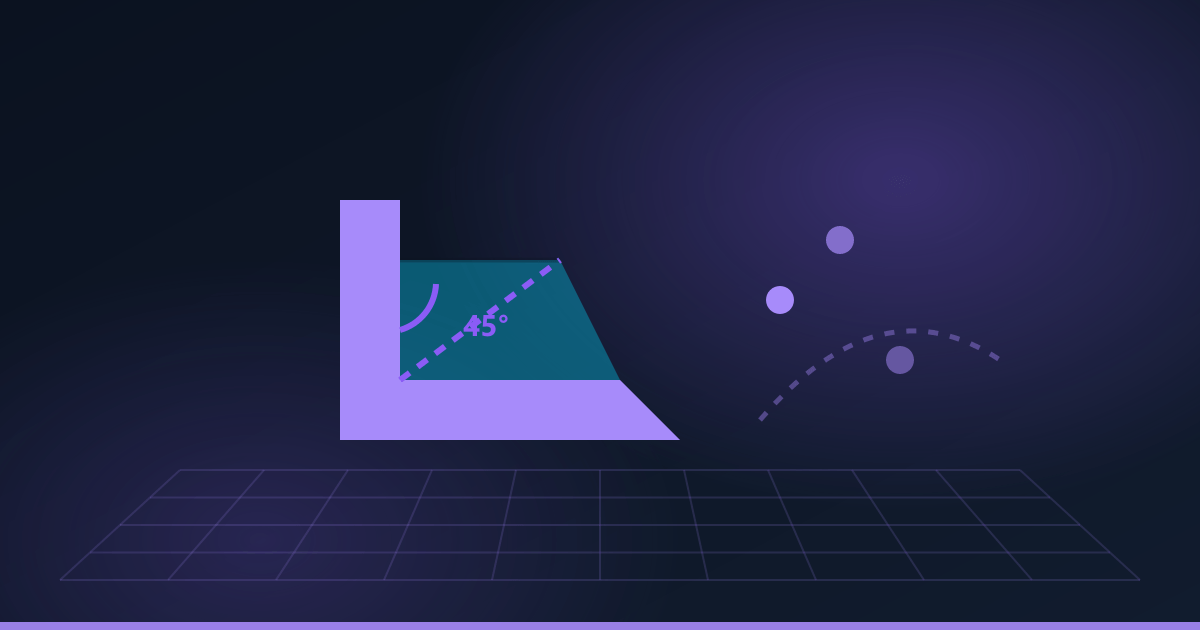
Cut along a line the eye already expects — a panel edge, a change of section, a natural seam. A joint hidden on a corner is invisible; the same joint across a flat front face is the first thing anyone sees. Avoid cutting through a hole, a thread or a moving fit.
Keeping the pieces aligned
Two locating pins turn a fiddly glue-up into something that assembles itself. Design them into the model rather than trying to align by eye during bonding, and leave about 0.2 mm clearance so they slide rather than jam.
| Material | Bond with | Notes |
|---|---|---|
| PLA | Cyanoacrylate (super glue) | Fast, strong, brittle at the joint |
| PETG | Two-part epoxy | Super glue struggles; epoxy is reliable |
| TPU | Flexible cyanoacrylate | Rigid glue cracks off as the part flexes |
What it costs
Large objects are priced by weight like everything else, so the material cost scales with size rather than exploding. The surcharges are the part people miss: anything over 180 mm adds 15% because a tall print occupies one machine for a day or more, and splitting adds assembly labour on top.
Hollowing, and why it matters more at size
A solid 300 mm object is many kilos of filament and days of printing, for no benefit. Large display pieces are printed as shells with light infill, which cuts weight, cost and time by most of their value while feeling identical in the hand.
Frequently asked questions
What is the largest thing you can 3D print in Lebanon?
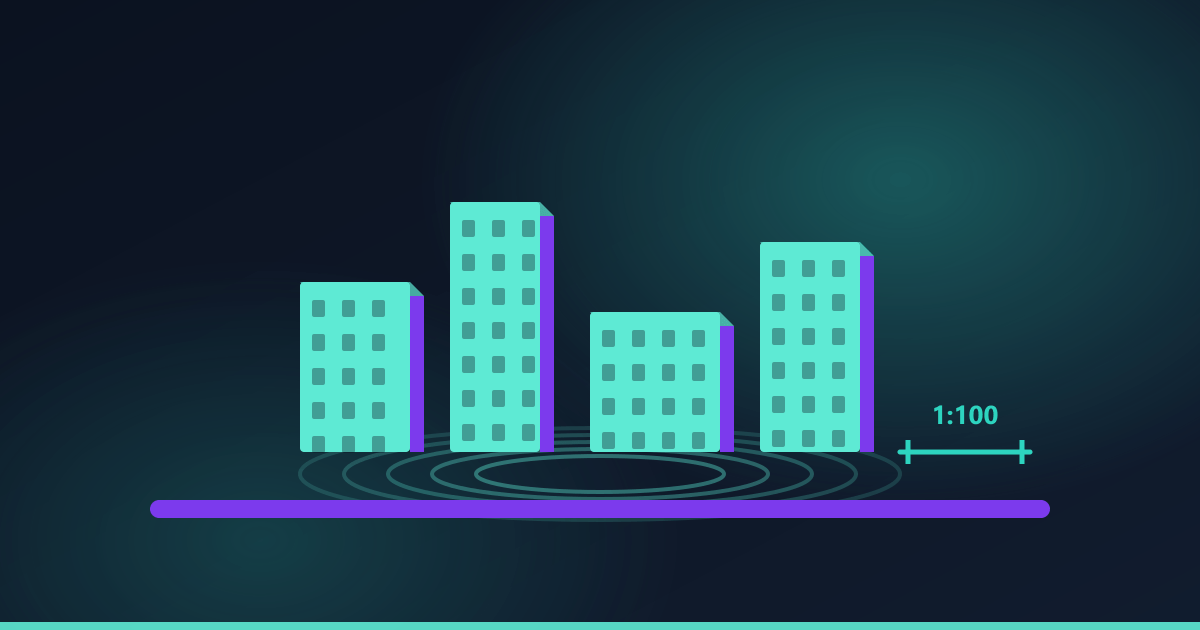
250 mm in any direction as a single piece. Beyond that, objects are split into sections and bonded, and there is no practical upper limit — architectural models over a metre long are assembled this way.
Are the joins visible on a split print?
A seam placed on a corner or panel line is close to invisible. Placed across a flat visible face it will show. Where the cut goes is the decision that determines this, which is why we agree it before printing.
Does splitting a model cost more?
Yes, modestly. The material is the same, but assembly is labour and pieces over 180 mm carry a 15% surcharge for machine time. It is still far cheaper than any alternative process at these sizes.
How strong is a bonded joint?
With locating pins and the right adhesive, the joint is usually stronger than the printed layer lines around it. Epoxy on PETG and cyanoacrylate on PLA both outperform the plastic in the layer direction.
Got a file to print?
Instant price, delivered anywhere in Lebanon for a flat $5.